1. Iron Ore Processing Equipment: A Complete Guide to Gravity Separation and Magnetic Separation Prices
更新时间:2026-05-28
Hey folks, if you're in the iron ore game, you know the struggle: getting that high-grade concentrate without blowing your budget. Let's cut through the noise and talk about two big hitters in the processing world: gravity separation and magnetic separation. I'll break down the gear, how it works, what it costs, and share some real-world examples. Stick with me—it's all about getting more iron for your buck.
Iron ore isn't just iron ore. You've got hematite, magnetite, limonite—each with its own quirks. Gravity separation uses density differences, while magnetic separation uses magnetic properties. Together? They're a powerhouse. But here's the kicker: choosing the right equipment is like picking a tool for a job. Use a sledgehammer when you need a scalpel, and you're wasting time and money.
A mate in Western Australia runs a 500 tph plant. They started with a jigging circuit (two 4-chamber jigs, $50k each) to remove 40% of gangue upfront. Then two wet drum separators ($80k each) boosted concentrate from 55% to 67% Fe. Total gear cost: $260k. They recouped that in six months from reduced haulage costs.
This operation had 20% Fe head grade. They went with dry magnetic separators (three units, $45k each) ahead of milling. Cut grinding energy by 30% because they rejected 50% of waste rock early. Smart move.
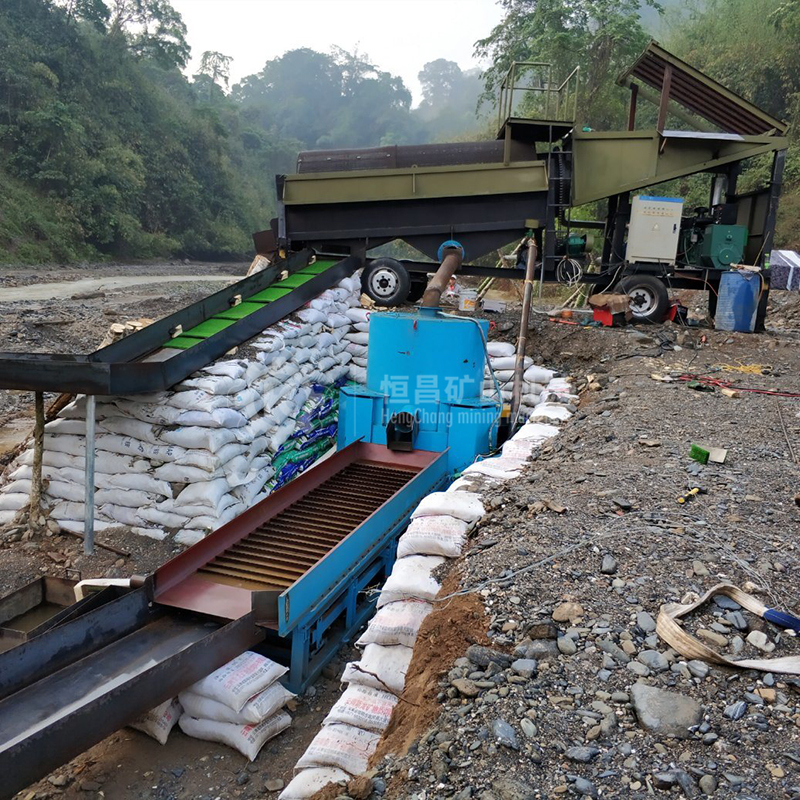
I've seen their jigs at a Chinese limonite plant—priced around $15k for a 30 tph unit. The plant upgraded from 30% to 55% Fe with a simple gravity circuit. The key? Their jigs have a unique diaphragm that handles sticky clays without clogging. Minimum maintenance too.
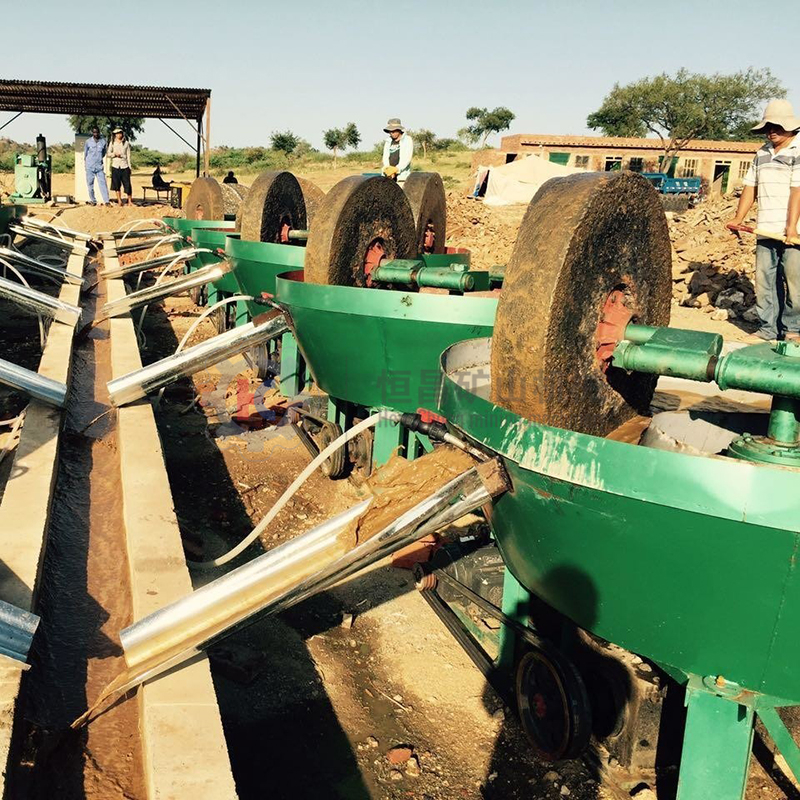
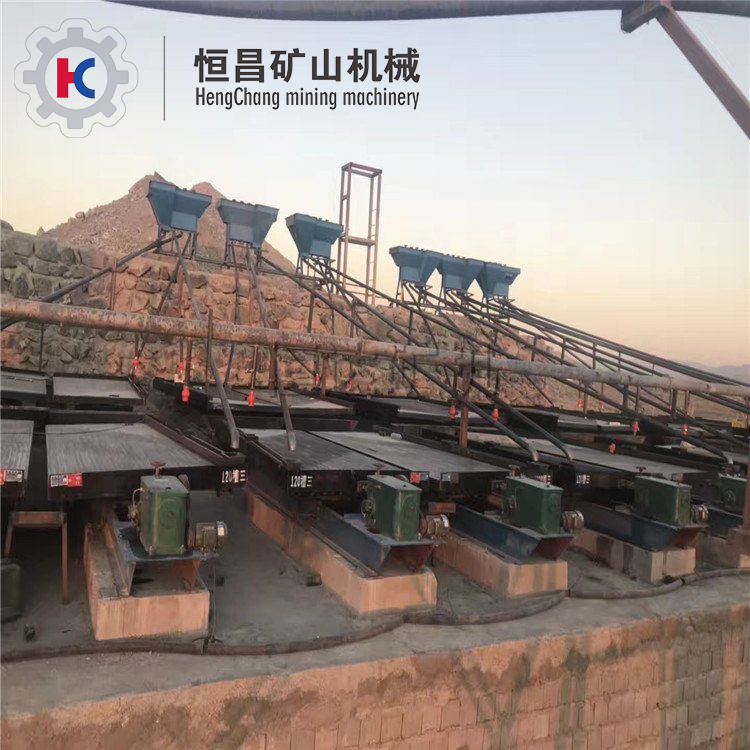
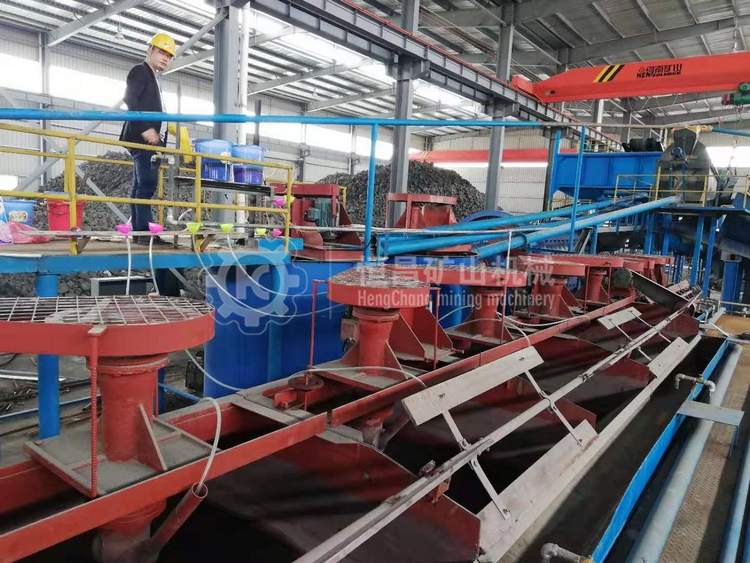
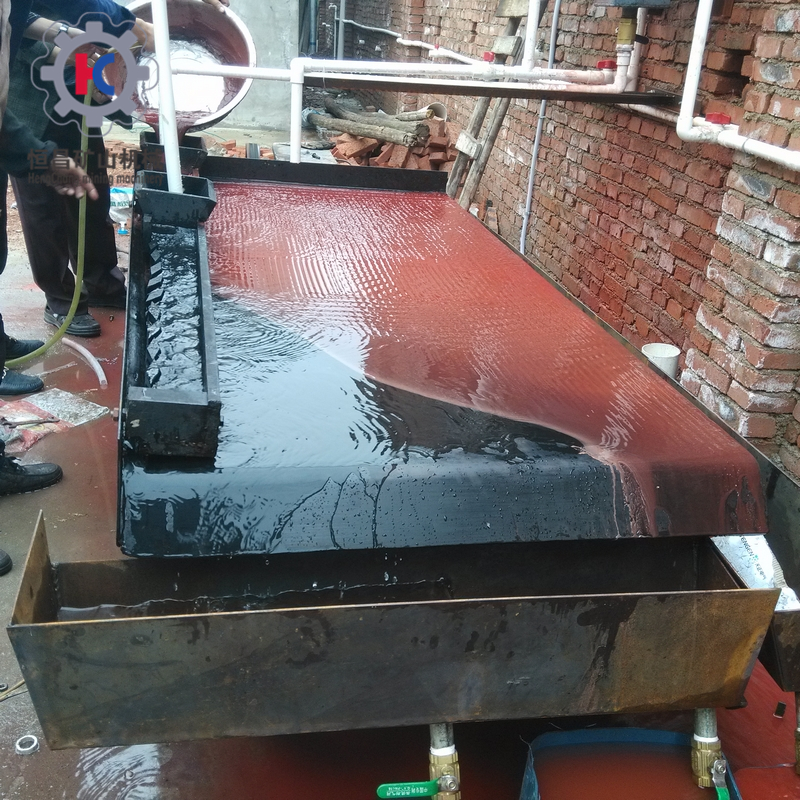
Gravity Separation: Think of a washing machine spin cycle. Dense stuff sinks, light stuff floats. In a jig, water pulses up, then down. Heavy iron stays near the bottom; lighter sand gets washed out. It's all about specific gravity difference—if your ore has a density gap of at least 1.5 g/cm³, this works.
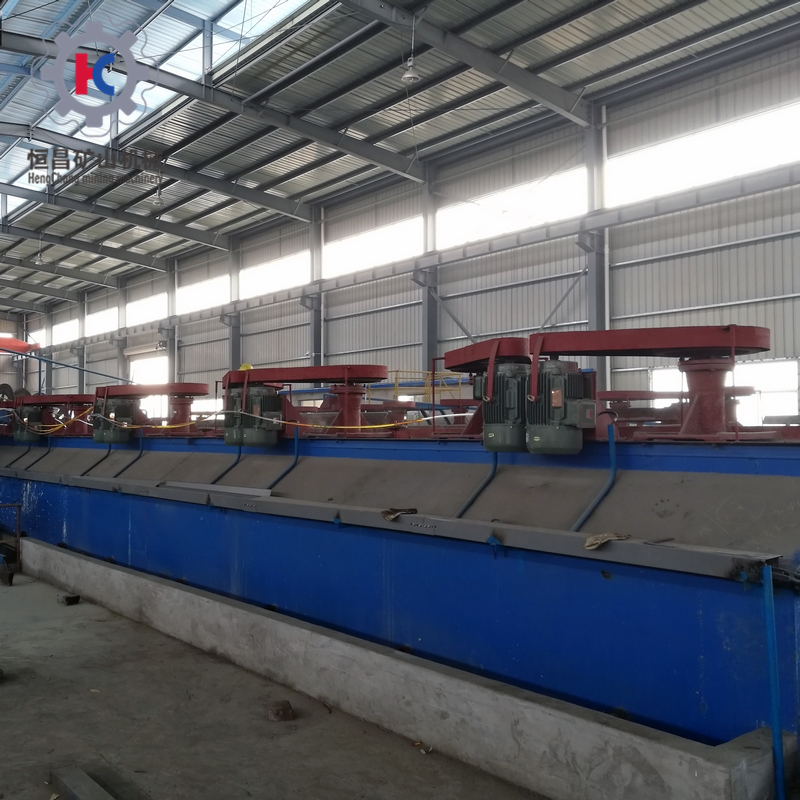
Magnetic Separation: Magnets attract iron minerals. For magnetite (Fe₃O₄), it's a no-brainer—strong magnetic response. For hematite (Fe₂O₃), you need powerful rare earth magnets because it's weakly magnetic. The separator creates a magnetic field gradient; particles follow the field lines, get pulled to the drum, and scraped off.
When you're shopping, look for these in [江西恒昌矿山机械设备]:
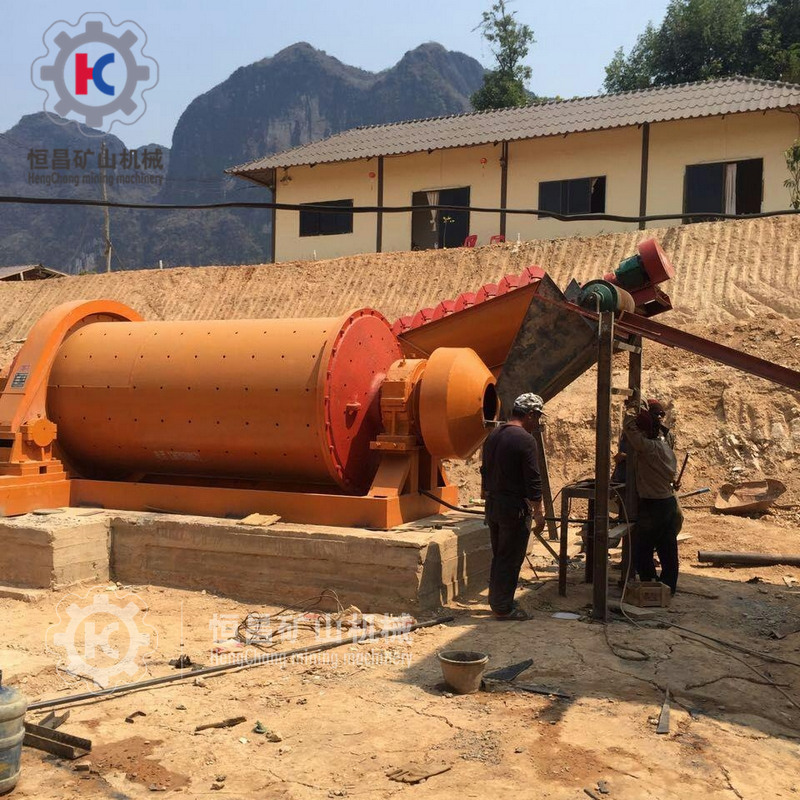
Jigging Machines: Rugged steel frames, polyurethane screen plates (last 3x longer than rubber), and water level control valves you can adjust on the fly.| Equipment | Feed Size | Capacity (tph) | Power (kW) | Price Range ($) |
|---|---|---|---|---|
| Jig (4-chamber) | 1-25mm | 30-100 | 15-30 | $10k-$50k |
| Wet Drum Separator | 0.1-3mm | 50-150 | 5-15 | $20k-$80k |
| Spiral Classifier | 0.1-1mm | 15-80 | 7-15 | $8k-$25k |
| Dry Magnetic Separator | 1-10mm | 20-80 | 10-20 | $15k-$45k |
These are ballpark figures. Price varies with build quality and automation.
Pro tip from a 20-year veteran: Always have spare screen plates and a spare magnet drum assembly. These two parts fail most often.
Neither—it's about combination. Here's a quick comparison:
| Factor | Gravity | Magnetic |
|---|---|---|
| Cost per ton | Lower ($0.50-1.00/ton) | Higher ($1.00-2.00/ton) |
| Efficiency on magnetite | Poor (50-60%) | Excellent (90-95%) |
| Efficiency on hematite | Good (70-80%) | Moderate (60-70%) |
| Maintenance | Moderate | Low (no moving parts in wet drum) |
| Footprint | Large (multiple stages) | Compact |
For most plants, I recommend a gravity circuit first to remove coarse gangue, then magnetic separation for final cleanup. This 选矿设备工艺 reduces magnetic separator load by 40-50%.
Here's the takeaway: 选矿设备选型 isn't one-size-fits-all. Test your ore first—send a 50kg sample to a lab. Then match the equipment to your feed size and target grade. For most hematite or limonite, gravity separation gives you the best bang for your buck. For magnetite, skip straight to magnetic separation.
Need gear? Give [江西恒昌矿山机械设备] a shout. Their jigs and wet drum separators are built tough, priced fairly, and their tech support actually speaks engineer. I've seen their machines running in Africa, South America, and China—they just work.
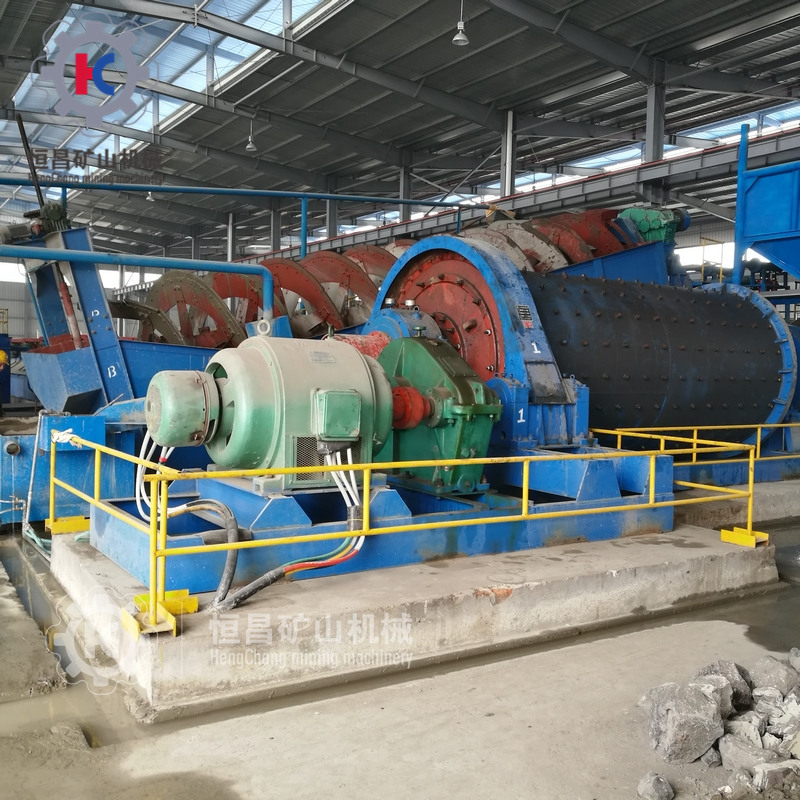
Remember: The cheapest equipment is the one that keeps running. Don't skimp on quality. You'll just pay for it in downtime.
Got questions? drop a comment below. I'm always happy to talk iron ore processing.




 English