How to Choose Tin Ore Processing Equipment: A Practical Guide for Mineral Engineers
更新时间:2026-05-25
Hey, friends! If you're working in the tin ore processing industry or just starting out as a mineral engineer, you know the struggle is real. Picking the right equipment can make or break your project. But don't worry—I’ve got your back. In this guide, we’ll talk about tin ore processing equipment in a way that’s easy to understand, packed with real-world examples, and full of practical tips. Whether you’re a seasoned pro or a newbie, this is for you.
Tin is a critical metal used in electronics, soldering, and even food packaging. But getting it out of the ground isn’t simple. Tin ore often comes with a lot of waste rock, and the processing needs to be efficient to stay profitable. That’s where the right equipment comes in. A good setup can save you time, money, and headaches.
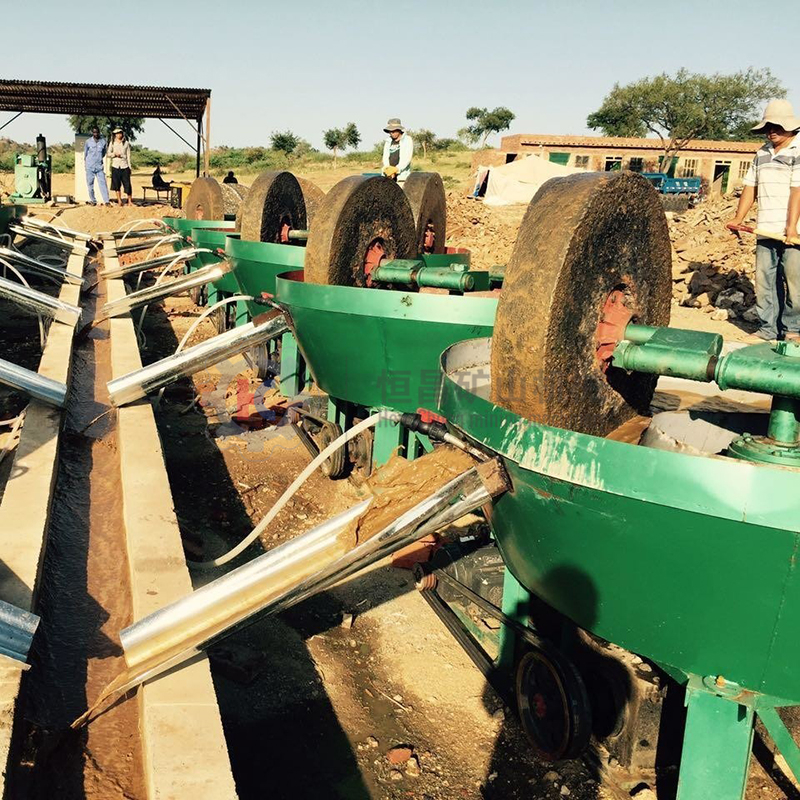
Let’s break down the key machines in a tin ore processing line. From crushing to separation, each piece has a job to do.
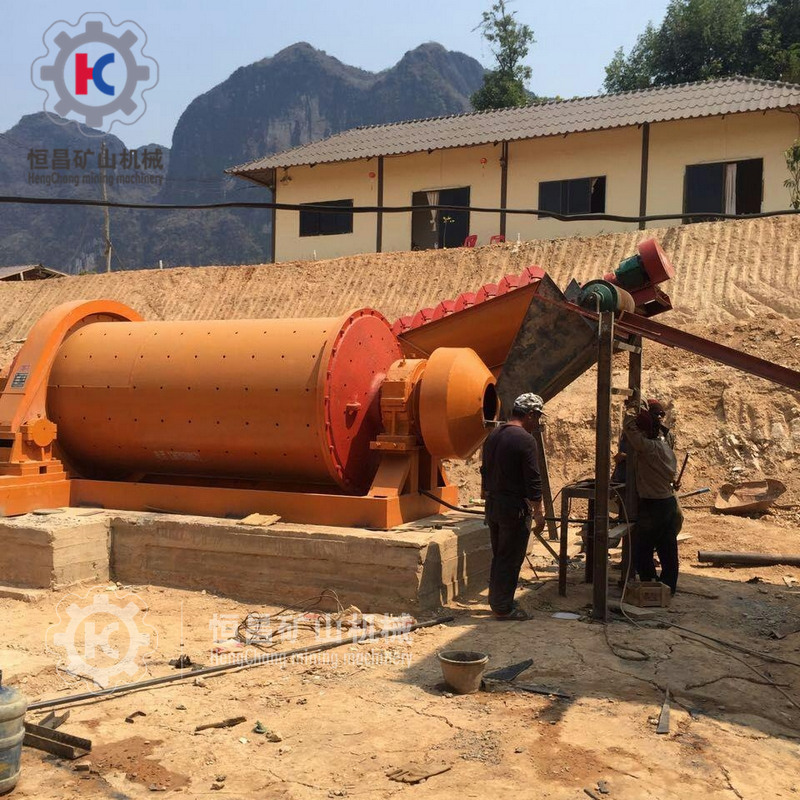
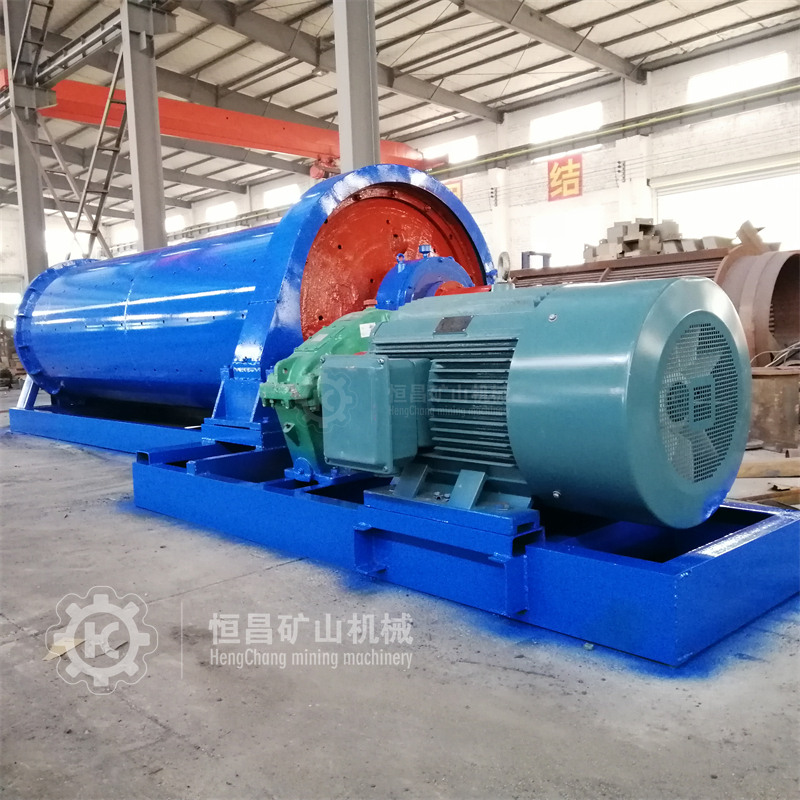
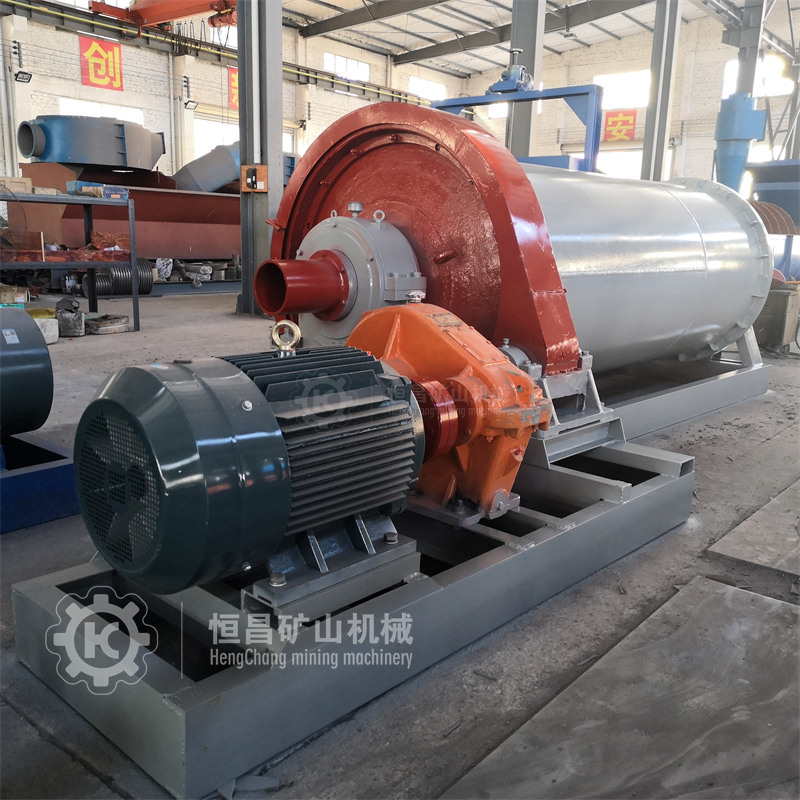
You can’t process tin ore without breaking it down first. Jaw crushers and ball mills are your go-to here.
Jaw Crusher: This beast crushes big rocks into smaller chunks. It’s simple, strong, and works for most ores.Real-World Example: In a tin mine in China, a jaw crusher from [Jiangxi Hengchang Mining Machinery] boosted crushing efficiency by 20%. That’s a big deal when you’re dealing with tons of ore daily.
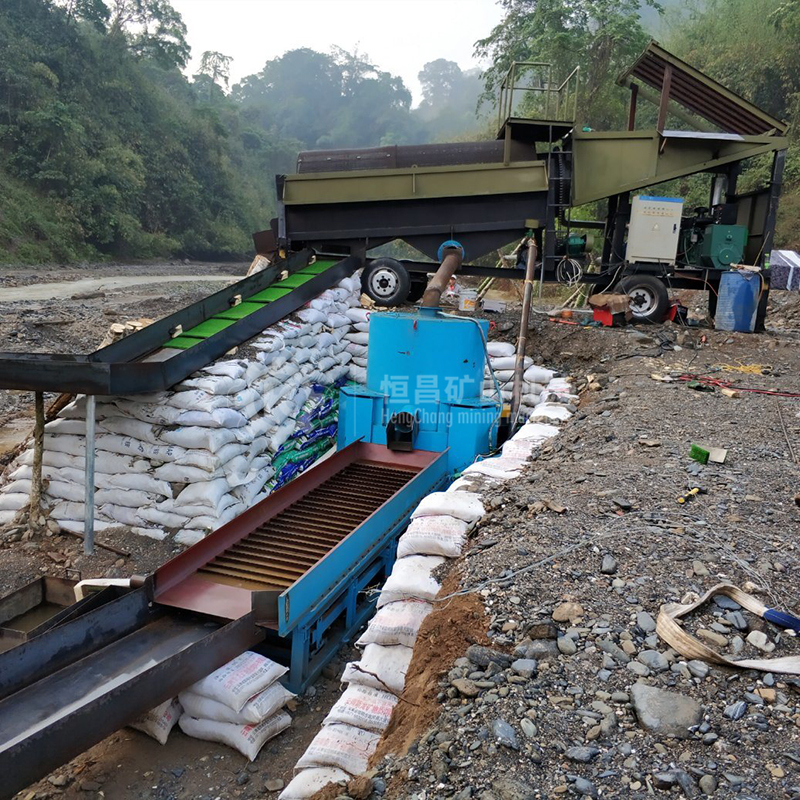
Tin is heavy, so gravity separation is your best friend. Here are the top machines for this.
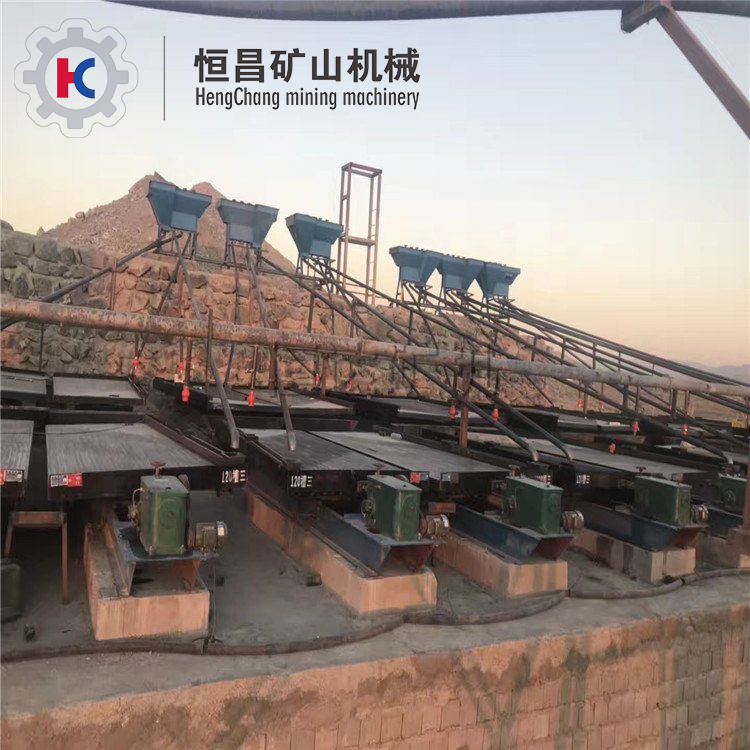
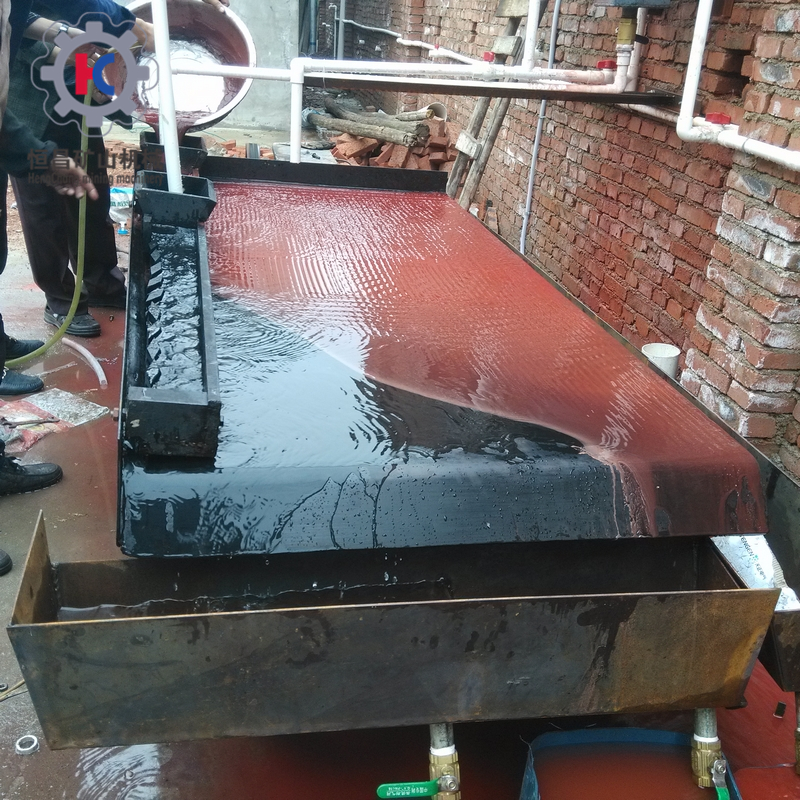
Shaking Table: This classic machine separates tin from lighter materials using water and vibration. It’s perfect for fine tin particles.How It Works: Imagine throwing a handful of sand and rocks into a river. The heavy stuff sinks, the light stuff floats away. That’s gravity separation in a nutshell.
User Case: A small-scale miner in Bolivia used a shaking table from [Jiangxi Hengchang Mining Machinery] to recover 95% of tin from his ore. Before that, he was losing half of it.
Tin ore often has iron impurities. A magnetic separator pulls out the iron, leaving clean tin.
Wet Magnetic Separator: This machine uses a strong magnet to grab iron particles. It’s a must if your ore has a lot of iron.Pro Tip: Always test your ore first. Some tin ores have very little iron, so you might not need this step.
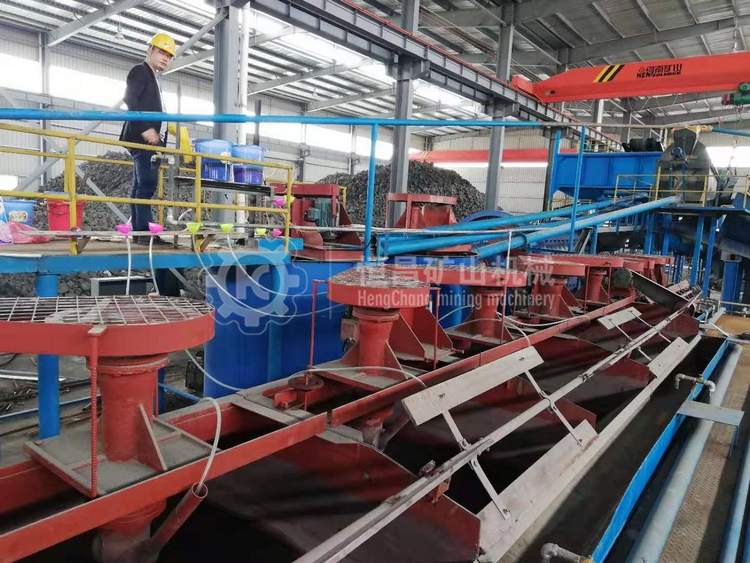
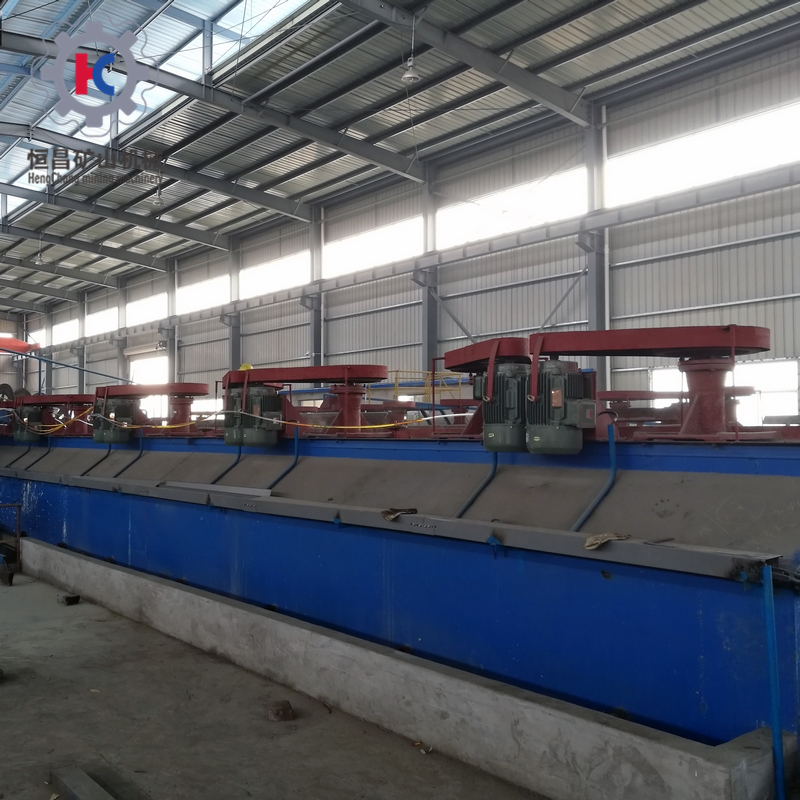
Sometimes tin is mixed with other minerals that gravity separation can’t handle. That’s where flotation comes in.
When to Use It: If your tin ore has a lot of sulfide minerals, flotation is your best bet. But it’s not for every operation—chemicals cost money.
Here’s a quick comparison to help you decide:
| Equipment | Best For | Pros | Cons |
|---|---|---|---|
| Shaking Table | Fine tin particles | High recovery rate | Slow processing speed |
| Spiral Chute | Large volumes | Low cost, easy to use | Less efficient for fine particles |
| Jig Machine | Coarse tin ore | Works with big rocks | Needs more maintenance |
| Flotation | Complex ores | Handles stubborn minerals | Chemical costs |
My Take: For most tin operations, start with gravity separation. It’s cheap, simple, and works well. Add flotation only if you need it.
Your equipment is only as good as how you take care of it. Here’s how to keep everything running smoothly.
Check for Wear and Tear: Rubber parts and screens wear out fast. replace them before they break.Real-World Tip: A mine in Indonesia lost 10% of their tin output because they skipped maintenance. Don’t be that guy.
Now, let’s talk about equipment selection. This is where a lot of people get stuck.
Test Your Ore: Send a sample to a lab. They’ll tell you the particle size, tin content, and impurities. This is the most important step.My Picks: For small-scale operations, go with a shaking table and spiral chute. For large mines, add a jig machine and maybe a flotation unit.
Choosing tin ore processing equipment doesn’t have to be hard. Start with gravity separation, test your ore, and pick reliable machines. And remember, maintenance is key. With the right setup, you’ll be processing tin like a pro in no time.
Got questions? drop them in the comments. I’d love to hear about your projects. And if you’re looking for quality equipment, check out [Jiangxi Hengchang Mining Machinery]. They’ve been in the game for years and know their stuff.
Happy processing, folks!




 English