Best CIL Process Equipment Selection for Gold Mining: Top Picks Guide
更新时间:2026-05-25
Hey there, fellow miners and gold enthusiasts! If you're in the gold mining game, you've probably heard about CIL (Carbon-in-Leach) process. But here's the thing—picking the RIGHT equipment can make or break your operation. I've seen too many mines struggle with low recovery rates simply because they skimped on equipment selection. Let me walk you through what actually works in the real world.
Think of CIL as a giant gold-catching operation. You crush your ore, mix it with water to make slurry, then add cyanide to dissolve the gold. While that's happening, activated carbon particles are swimming around, grabbing onto those dissolved gold particles like magnets on a fridge. Simple concept, but the equipment behind it? That's where things get interesting.
When we talk about CIL, the leach tanks are where the magic happens. Here's what makes a good one:
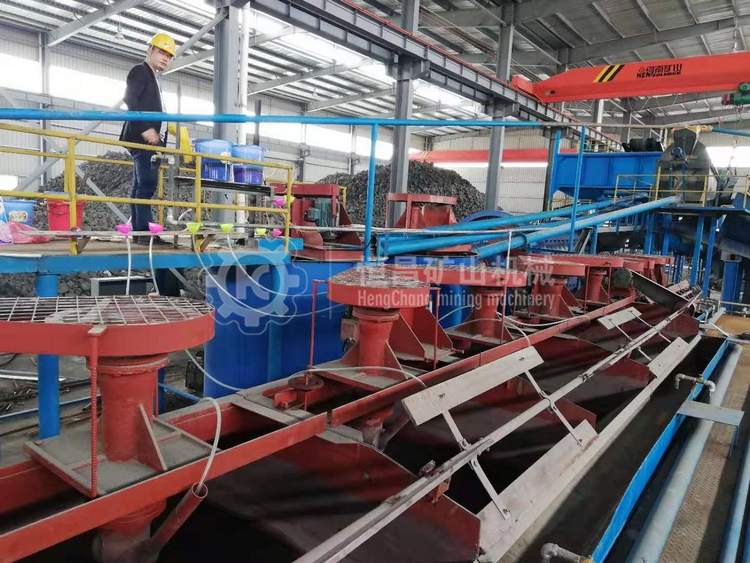
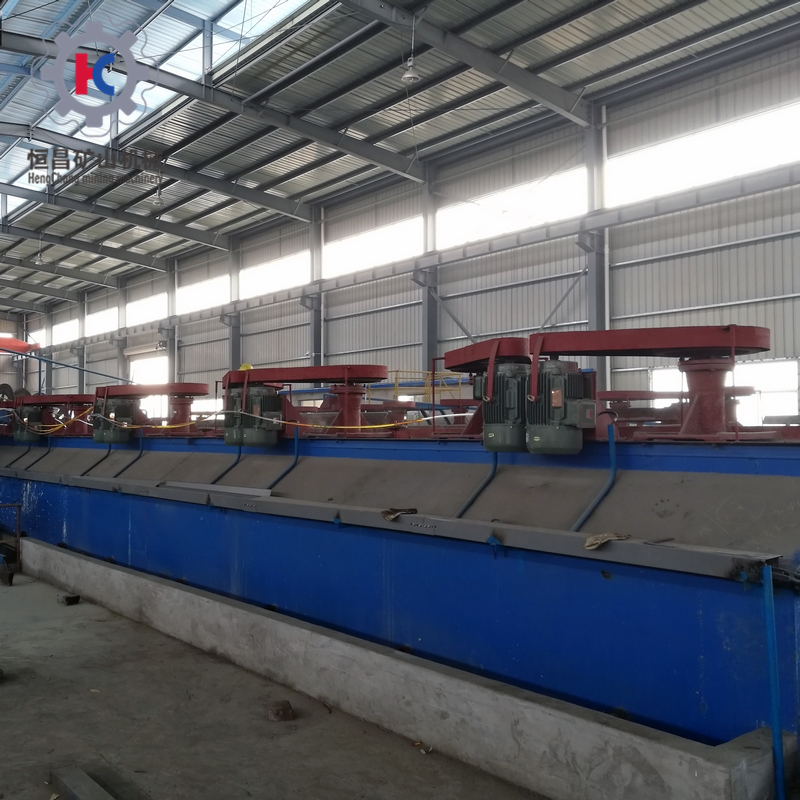
Stainless steel or rubber-lined steel tanks that can handle the chemical environmentI've seen Chinese-made tanks from Jiangxi Hengchang Mining Machinery that stand up remarkably well to tough African gold ores. Their tanks feature heavy-duty rubber lining that lasts 3-4 years longer than some competitors'.
One medium-sized operation in Ghana switched to Hengchang's CIL tanks and saw their recovery jump from 82% to 91% in just three months. The key? Better agitation and more efficient carbon retention screens that reduced carbon loss by nearly 40%.
After the carbon has gobbled up all that gold, you need to strip it off. This is where the desorption electrolysis system comes in.
How it works: Hot caustic solution strips the gold from carbon into a pregnant solution, then electrolysis plates it onto steel wool cathodes. Simple, but the efficiency depends hugely on:
Temperature control accuracy (±2°C is ideal)For a typical mid-sized operation treating 1000 tons per day:
Desorption temperature: 130-150°CBatch stripping columns are simpler and cheaper upfront, but continuous systems give you better recovery consistency. Here's a quick comparison:
| Feature | Batch Column | Continuous System |
|---|---|---|
| Initial cost | Lower | Higher |
| Recovery rate | 90-95% | 95-98% |
| Maintenance | Simple | More complex |
| Best for | Smaller ops | Larger mines (>500 tpd) |
Your carbon gets fouled up with organic matter after a few cycles. A rotary kiln or vertical regeneration furnace burns that junk off and reactivates the carbon. Jiangxi Hengchang's vertical kilns run at 650-750°C with 30% less fuel consumption than older designs.
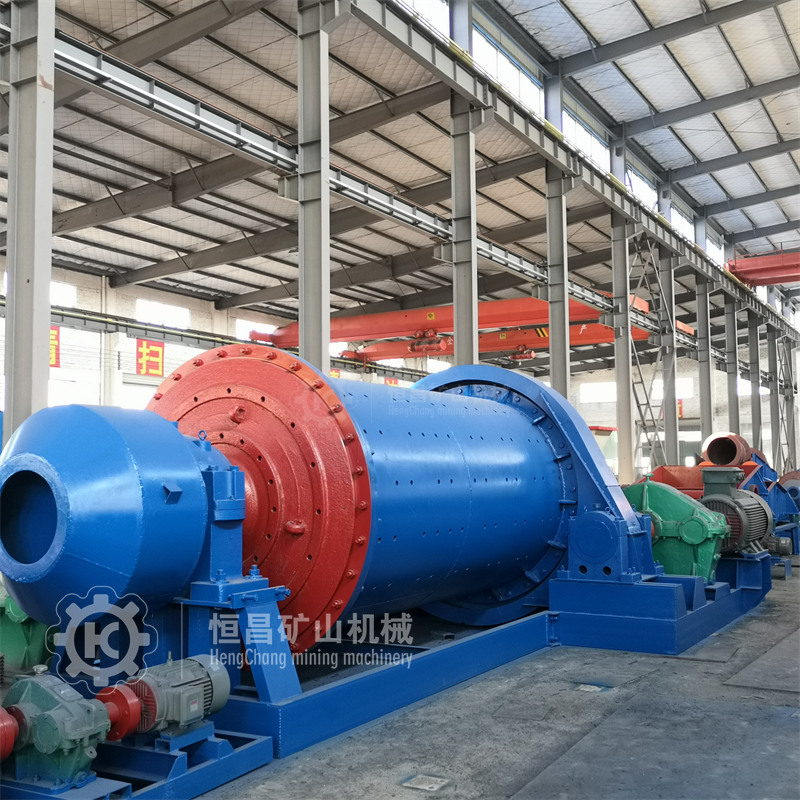
Oxide gold ores? This is the sweet spot for CIL. Easy leaching, minimal preg-robbing.
Sulfide ores? You'll need fine grinding (P80 of 75μm or finer) and probably longer retention times—18-24 hours in tanks.
Refractory ores? CIL alone won't cut it. Consider roasting or bacterial oxidation before CIL.
| Method | Recovery | Capital Cost | Operating Cost | Best For |
|---|---|---|---|---|
| CIL | 88-95% | $$$ | $$ | Oxide ores, 0.5-3 g/t |
| CIP | 85-92% | $$$ | $$ | Coarse gold, less clay |
| Heap Leach | 50-70% | $ | $ | Low-grade oxide, 0.1-0.5 g/t |
| Gravity+Flotation | 75-85% | $$ | $$$ | Complex sulfide ores |
I've been in dozens of mines across Africa, South America, and Southeast Asia. Jiangxi Hengchang keeps coming up in conversations for three reasons:
Durability – Their equipment handles 24/7 operation in harsh conditionsOne mine manager in Tanzania told me: "We tried three suppliers before settling on Hengchang. Their tanks are heavier gauge steel, the carbon screens actually fit right, and their technical team answers WhatsApp messages at 2 AM."
Step 1: Know your ore – Get a thorough mineralogical analysis first.
Step 2: Calculate throughput – Measure your planned tonnage per day.
Step 3: Choose tank size – Rule of thumb: 8-12 hours total retention, 500m³ per 1000tpd.
Step 4: Pick desorption system – Batch for <500tpd, continuous for larger.
Step 5: Don't cheap out on carbon regeneration – This is where many operators lose money through poor reactivation.
CIL process equipment selection isn't rocket science, but it requires common sense. Focus on reliability over fancy features, choose proven suppliers like Jiangxi Hengchang, and pay attention to the simple maintenance routines. Your gold recovery—and your bottom line—will thank you.
Remember: The best equipment is the one that keeps running day after day without headaches. Happy mining, everyone!




 English