Placer Gold Mining Equipment: Full Process, Price List and On-Site Case Studies
更新时间:2026-05-24
Hey there, fellow gold miners and equipment buyers! If you’re reading this, chances are you’re either knee-deep in a placer gold project or just starting to explore the business. Either way, you’ve come to the right place. Today, I’m going to break down the whole shebang for you: what placer gold mining equipment you’ll need, how the full process works, what you can expect to pay, and even throw in some real-world case studies from the field. No fluff, no jargon—just straight-up, practical info you can use.
Let’s get started.
First, let’s make sure we’re on the same page. Placer gold mining doesn’t involve blasting rocks or digging deep underground. Instead, it’s all about recovering gold from sand, gravel, or dirt that has been weathered away from its original source over time. Think of it like this: Mother Nature did the hard work of breaking down the gold deposits, and you just need to extract the shiny bits from the surrounding material.
Now, the key here is efficiency. You need the right equipment to handle different types of material—from fine silt to coarse gravel—and to do it without losing those tiny, but valuable, gold flakes.
Everything starts with feeding. Whether you’re using an excavator, a bulldozer, or a simple shovel, the material needs to get into the processing plant efficiently.
Common feeding equipment:
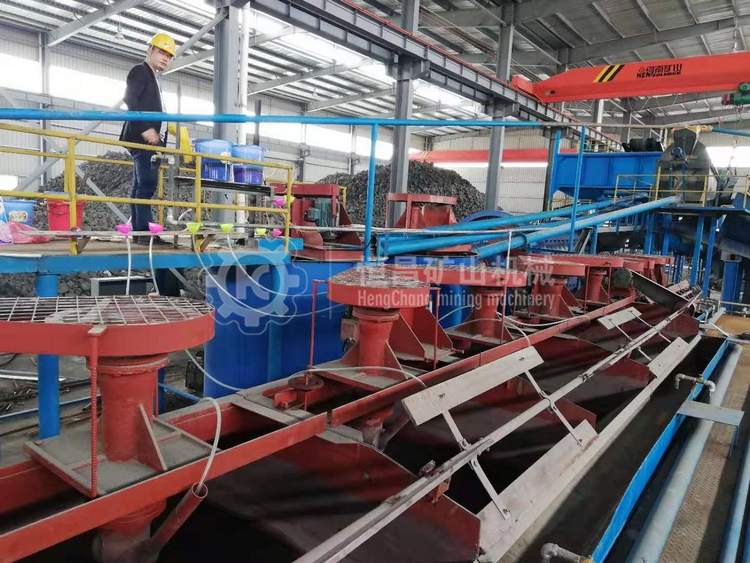
Grizzly feeders - these are like a first-pass sieve that separates oversized rocks (usually larger than 100-150mm) before they enter the system.Raw gravel is full of clay and silt that can trap gold and ruin your recovery. That’s where the trommel screen comes in.
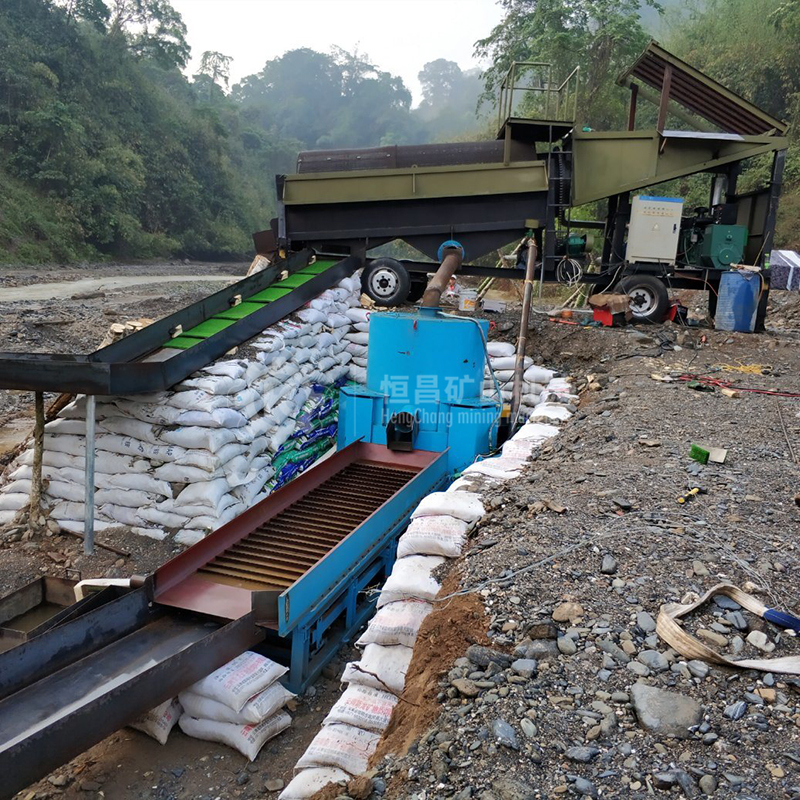
The trommel rotates as material is fed in. Water jets inside break up the clay and wash the gravel. Meanwhile, the tumbling action allows fine particles to fall through the screen mesh while bigger rocks go out the end. This is critical for later steps.
After washing, you’re left with a mixture of sand, small gravel, and hopefully—gold. Here, the real magic happens.
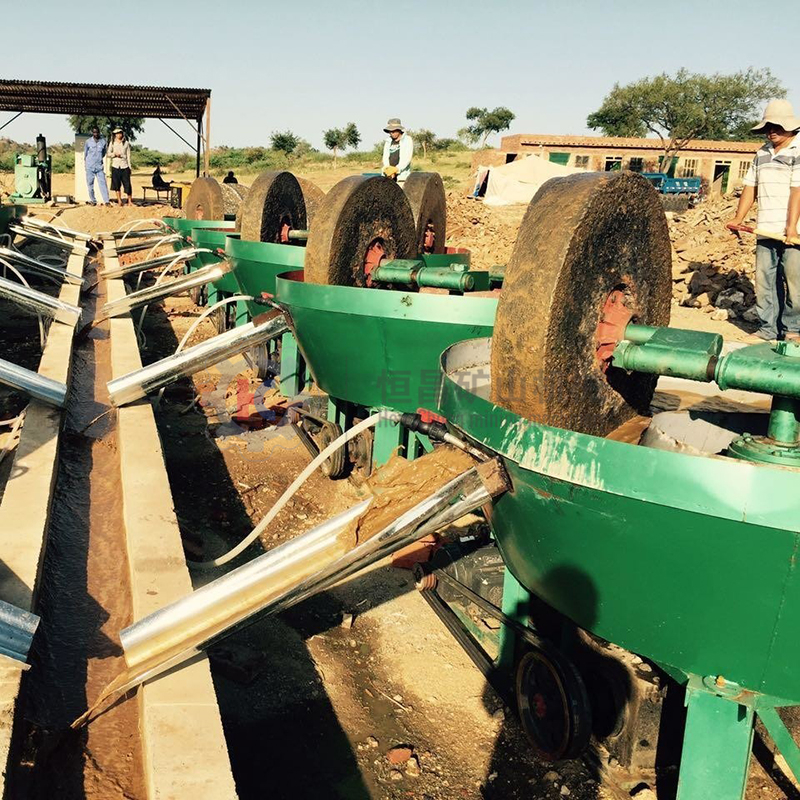
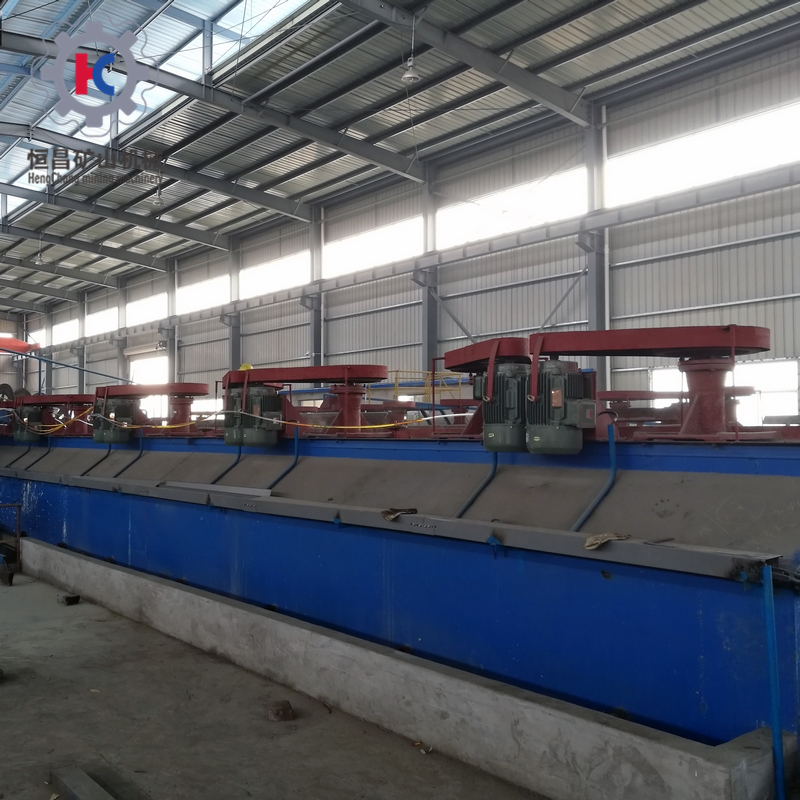
The most common method is using a jig machine or gold centrifugal concentrator. These devices use gravity and centrifugal force to separate gold—being very dense—from lighter waste material.
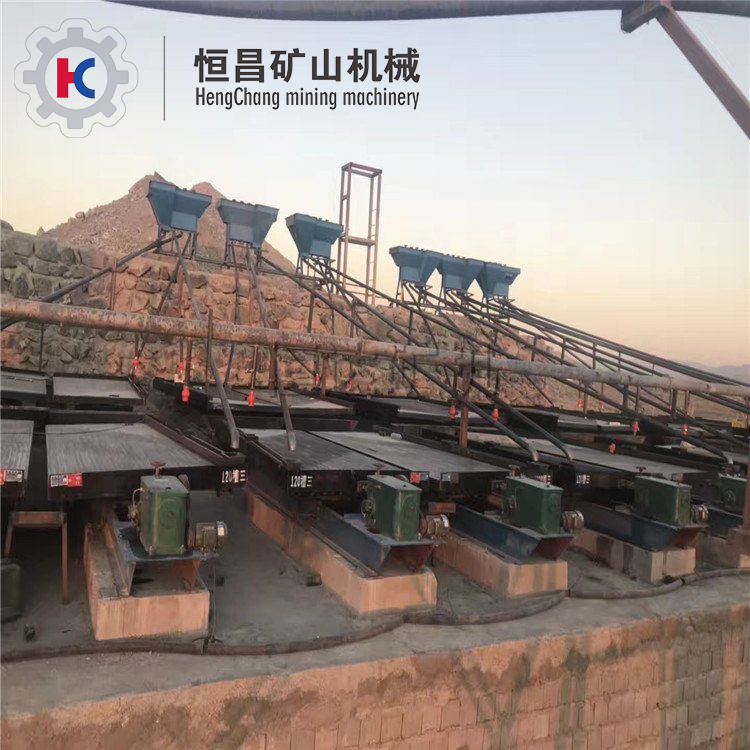
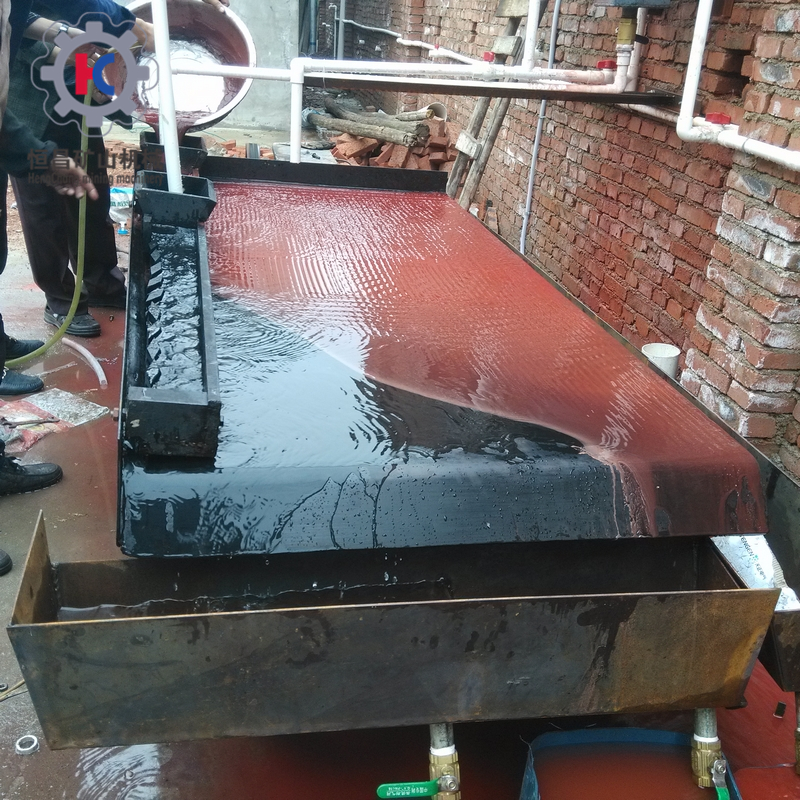
For fine gold, you might also add a shaking table at the end to polish the recovery.
But here’s a tip: If you’re processing clay-heavy material, make sure your washing step is thorough. Otherwise, gold gets stuck and goes out with the tailings.
Don’t ignore this part! Proper tailings handling ensures environmental compliance and keeps your operation running smoothly. Some operations use a simple settling pond, others use vibrating decks to dewater and stack the waste material.
Now, let’s talk money. Here’s a rough breakdown of what you can expect to pay for different equipment. Keep in mind: prices vary based on capacity, brand, and customization.
| Equipment Type | Price Range (USD) | Notes |
|---|---|---|
| Small trommel screen (50 tons/day) | $3,000 - $8,000 | Great for small operations or prospectors |
| Medium trommel (100-200 tpd) | $10,000 - $30,000 | Suits small mines or medium-scale operations |
| Large trommel (500 tpd and up) | $50,000 - $150,000+ | For bigger setups with high production demands |
| Gold centrifugal concentrator | $2,000 - $15,000 | For efficient fine gold recovery |
| Jig machine | $4,000 - $20,000 | Great for coarse gold recovery |
| Shaking table | $3,000 - $12,000 | Ideal for final cleaning |
| Complete processing plant | $50,000 - $300,000+ | All-in-one solution with conveyor, trommel, concentrator, and tailings handling |
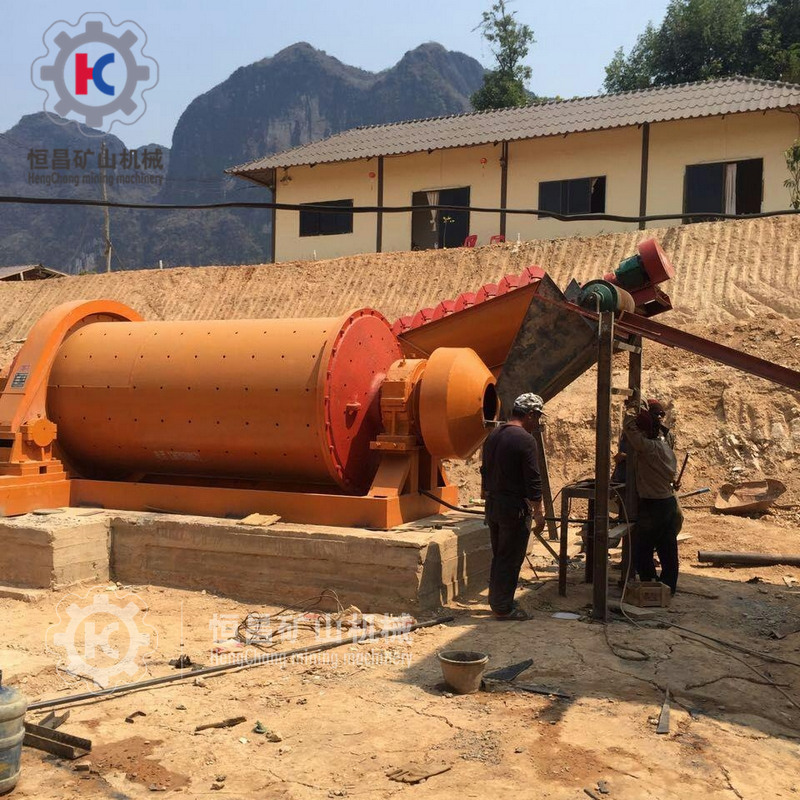
Reality check: Don’t go budget on the recovery equipment. I’ve seen too many operations waste money on cheap concentrators that miss half the gold. Spend smart—buy from a known manufacturer like [Jiangxi HengChang Mining Equipment]. They’ve got iron-clad warranties, spare parts, and local tech support that can save your neck.
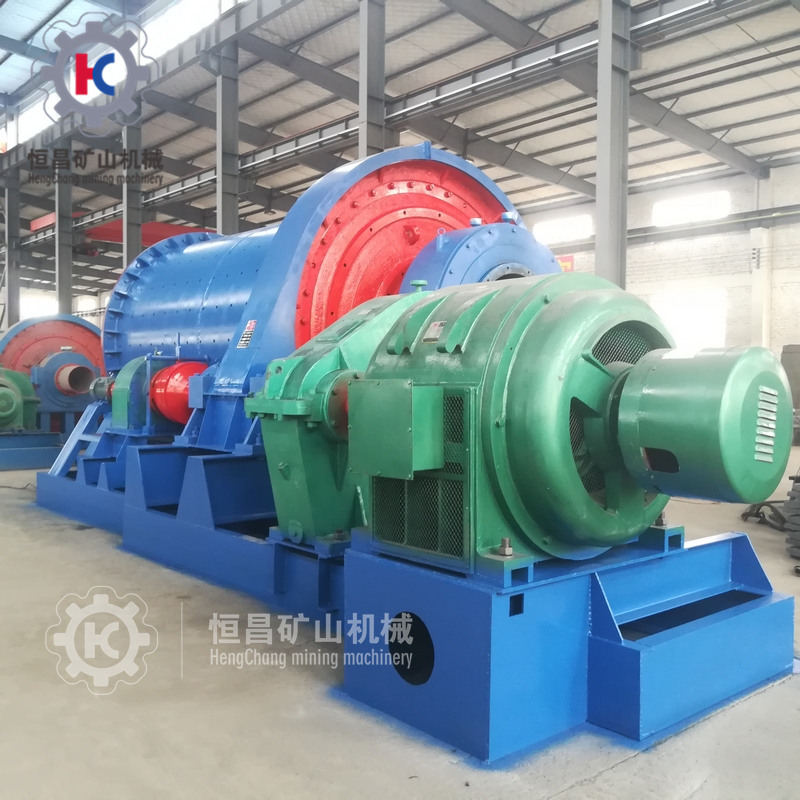
Situation: A small-scale miner was processing riverbed material, averaging 0.5 grams per ton. They used a manual sluice box with a tonnage of 2 tons per shift. Recovery was terrible—maybe 40%.
Fix: We introduced a small trommel with a jig machine (from Jiangxi HengChang, of course). Capacity jumped to 20 tons per shift. Recovery hit 90%+ for coarse gold. The owner recovered his investment in under 2 months.
Key takeaway: Even for small operations, upgrading from a sluice to a full trommel + jig setup pays off fast.
Situation: This operation was running two trommels at 150 tpd each. The problem was clay-rich material was blinding their screens and clogging their gold concentrator. Downtime was eating profits.
Fix: We swapped the screens for polyurethane ones (longer life and less blinding) and added a scrubbing section inside the trommel. They also upgraded to a larger centrifugal concentrator to handle the higher throughput.
Results: Production increased by 30% with the same equipment footprint. Maintenance dropped dramatically. Net profit went up 50% in one quarter.
Key takeaway: Don’t just buy “any” equipment. The little features—like a good scrubber section and proper screen material—matter.
Situation: This company had a 500 tpd plant but was losing fine gold—gold smaller than 0.2mm was going straight through to tailings.
Fix: We added a secondary cleaning circuit: a shaking table in a closed-loop water system. This targeted that elusive fine gold.
Results: Over 90% recovery on all gold sizes. The plant now runs 24/7, and the tailings are clean enough that they don’t need to worry about fines escaping into the ecosystem.
Key takeaway: If you don’t handle fine gold, you’re literally leaving money in the ground. A shaking table pays for itself quickly.
Here’s the formula for making smart decisions:
Total cost = Equipment price + shipping + installation + spare parts + 3-month maintenance
Don’t just look at the equipment price. Shipping can be 15-30% of the equipment cost depending on your location. And installation? You might need a local engineer, which adds another 10-15%.
Pro tip: Order a spare set of screens and rubber liners upfront. It will save you weeks of downtime when things wear out.
Working with Jiangxi HengChang Equipment
They’re not just selling boxes of steel. They customize the sizing—from trommel diameter to concentrator capacity. They even offer free on-site commissioning if you order a complete plant above $150k. That support is gold.
Before you whip out your credit card, run through this list:
Test your material first. Don’t guess. Get a bulk sample and run it through a test plant.If you’ve got questions about your specific project—soil type, expected grades, or budget—drop a comment or reach out. I’ve worked on everything from Peruvian jungle streams to African alluvial plains. The principles are the same, but the devil’s in the details.
Happy mining, and may your pans always be heavy!
– Your friendly equipment guy




 English