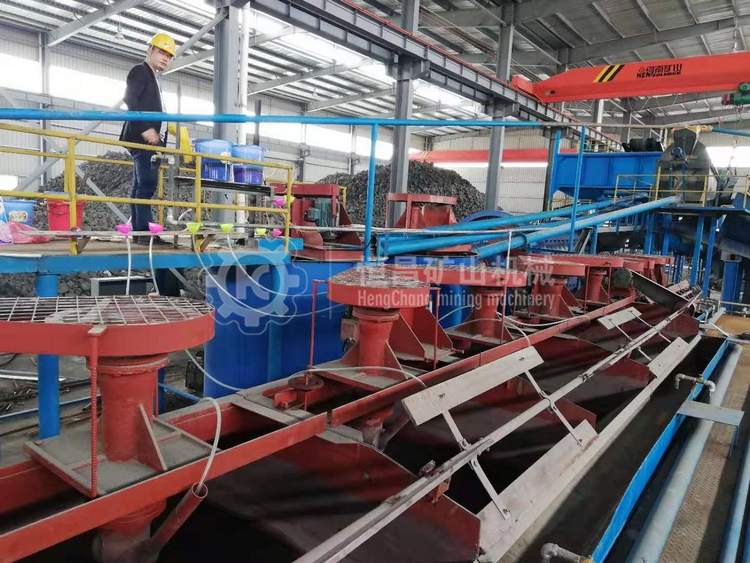
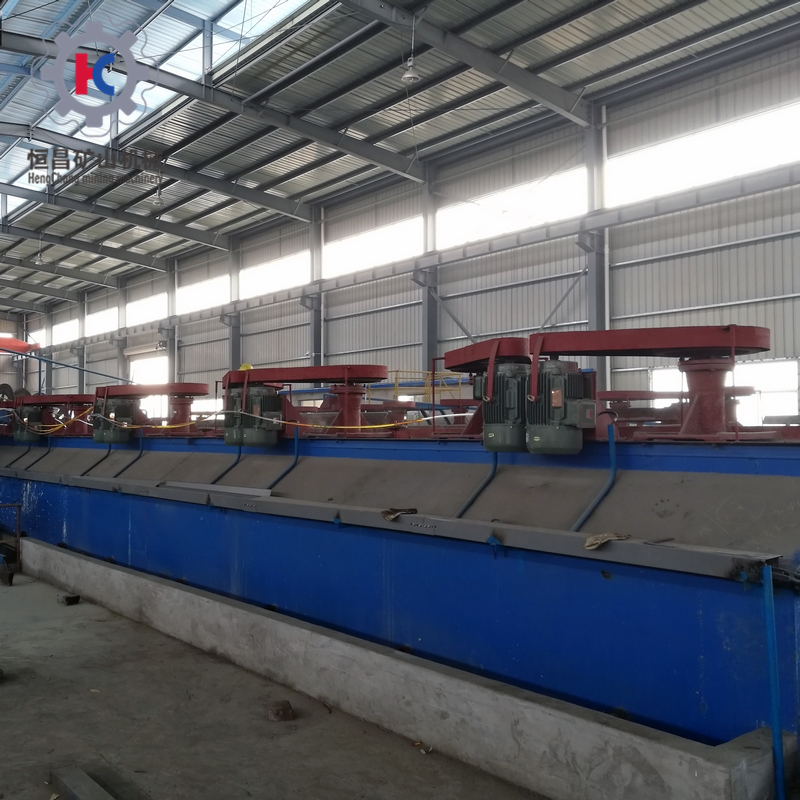
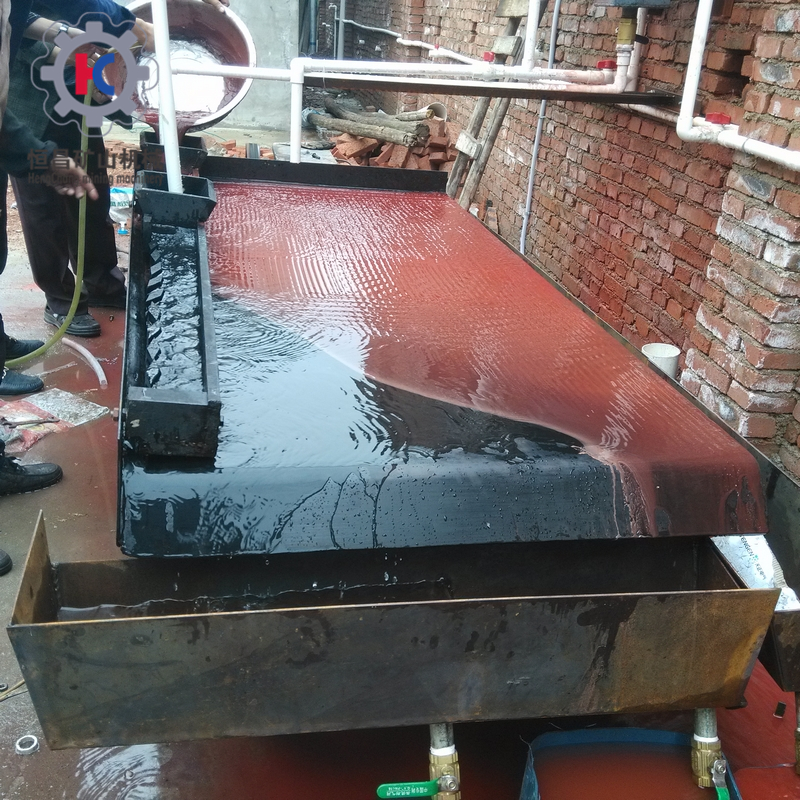
CIP Gold Processing Equipment Selection Guide for Rock Gold Mine Cases
更新时间:2026-05-23
Okay, here is a guide on gold processing equipment selection for rock gold mines, written in the requested style and format for a Baijiahao article.
Hey, friends! We've been talking about placer gold all the time. Today, let's switch focus and talk about the real "hard nut" - rock gold mines. For many newcomers, when they encounter a gold vein, they often get a headache: the grade is high, but how do you get the gold out? Crushing it finely and then using a sluice box often results in a lot of fine gold being lost.
Don't worry, the most mature and practical method in the industry right now is the CIP (Carbon-in-Pulp) process. Although it sounds a bit technical, it's essentially a sophisticated stomach for extracting gold. Today, we'll use real cases to explain the complete set of equipment for the CIP process, helping you quickly become a professional.
Simply put, the CIP process is: after crushing and grinding the ore into a slurry, cyanide is added to dissolve the gold. Then, activated carbon is used to "absorb" the gold from the solution. The process is: Crushing → Grinding → Leaching → Carbon Adsorption → Desorption → Smelting.
The advantage? Very practical!
Strong adaptability: It handles almost all types of oxidized ore and quartz vein gold ore.Next, we'll go through the equipment line by line!
Before leaching, the gold must be separated from the rock. The first step is crushing.
Jaw Crusher: The "big boss" of the entrance, reducing the large 500mm raw ore down to about 100-120mm.A must-know for site selection: For small mines (under 200 tons/day), a jaw crusher + hammer crusher combination is an affordable option. For medium and large mines, a jaw crusher + cone crusher combination is a better choice for stable operation.
The finer the grinding, the easier the gold is exposed and dissolved.
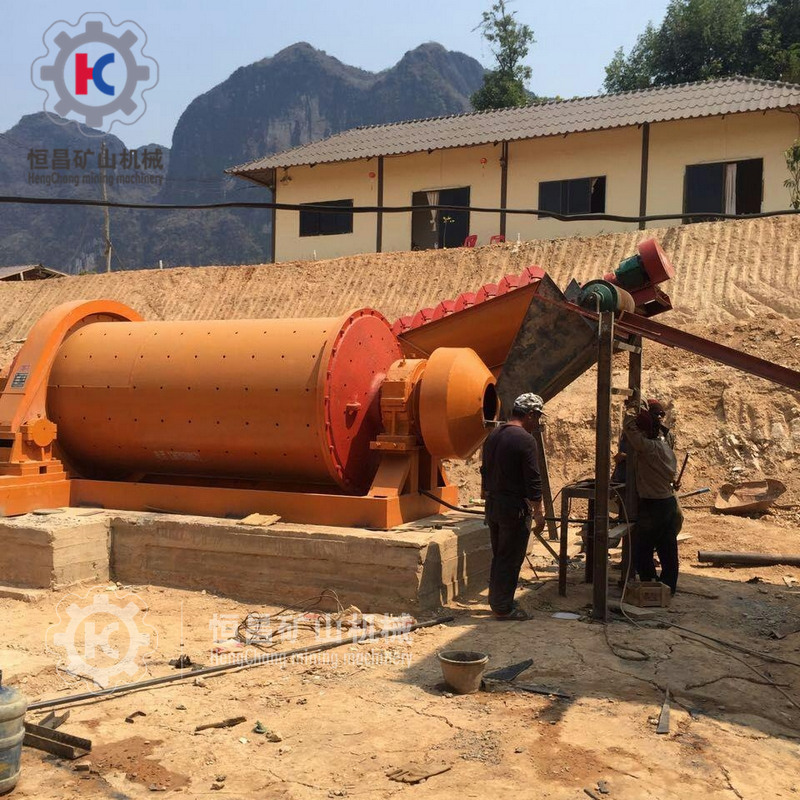
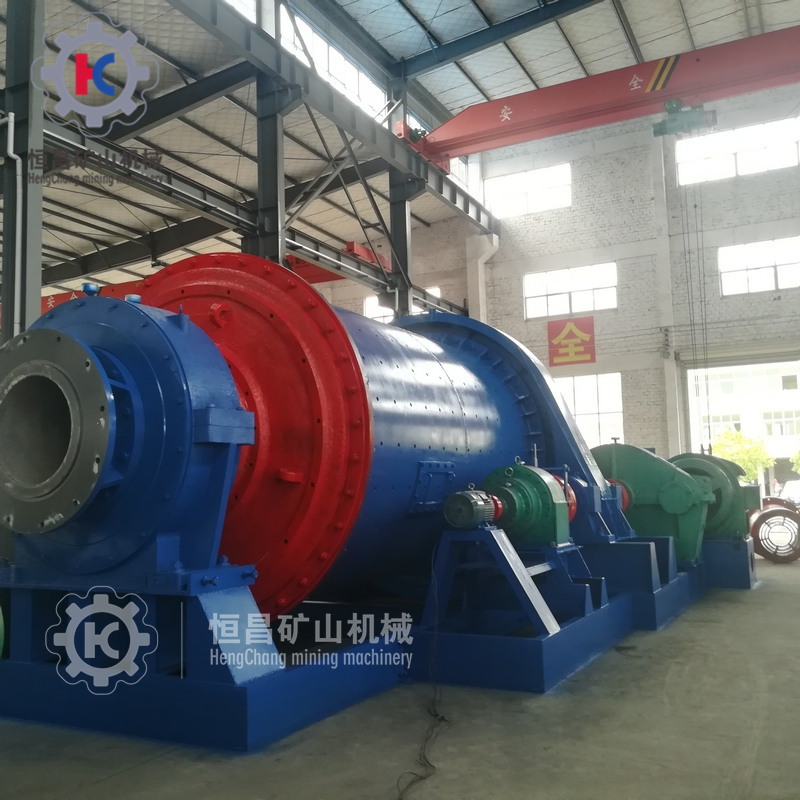
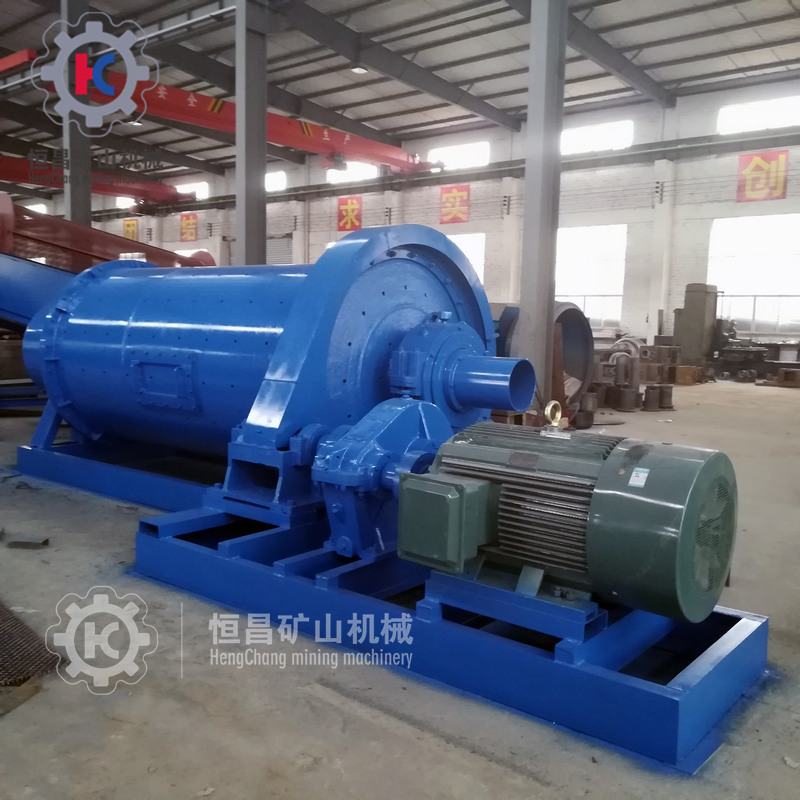
Ball Mill: The absolute main equipment, used with a spiral classifier or hydrocyclone to form a closed-circuit grinding system.This is the core of the CIP process. The ground slurry is mixed with cyanide in a stirred tank.
Equipment: It's a vertical cylindrical tank with an air or mechanical stirring impeller.In the adsorption tank, activated carbon is added to catch the gold from the solution. To keep the carbon from being washed away, a special Intermittent Carbon Screen (MIP Screen) must be installed.
Effectively separate carbon from slurry.Case background: A mine in Jiangxi Province (a major mining province) processes 500 tons per day of quartz vein gold ore, with a grade of 3.5 g/t.
Equipment Line Selection:
Two-stage crushing: PE600x900 Jaw Crusher + PYB1200 Cone Crusher.Actual Results:
Grinding fineness: -200 mesh accounts for 80%.| Feature | CIP (Carbon-in-Pulp) | CIL (Carbon-in-Leach) | Gravity Separation + Flotation |
|---|---|---|---|
| Process flow | Leach first, adsorb later | Simultaneous leach and adsorb | Simple, low cost |
| Gold recovery rate | Higher (90-95%) | Highest (>95% for specific ores) | Low (50-70%) |
| Applicable scenario | Oxidized ore, quartz vein | Refractory ore, high-arsenic ore | Coarse gold, simple ore |
| Equipment cost | Medium | High | Low |
| Management difficulty | Simple | Very simple | Complex |
Summary advice: The CIP process is the "safe choice" for the current market. It's stable, reliable, not as aggressive as CIL, and more profitable than gravity separation.
Choosing the gold processing equipment is like buying a car; you have to drive it yourself to know. For quartz veins, altered rock type, and oxidized ore, the CIP process is definitely a reliable old-timer. For beginners, it's recommended to look for more cases and find a manufacturer with a laboratory to run a quick test.
When selecting equipment, consider these SEOs well: Gold ore beneficiation process and Gold mining equipment model selection. Don't just look at the price; look at the quality and after-sales service.
Got specific ore samples? Feel free to send a private message and share pictures; I'll help you take a look!




 English