Top 5 Iron Ore Processing Machines for Your Plant in 2024
更新时间:2026-05-22
Hey there, fellow miners and plant operators! If you're knee-deep in the iron ore game, you know the struggle: picking the right machines can make or break your operation. The market's flooded with options, but not all equipment is built equal. In 2024, technology is moving fast, and you need gear that's tough, efficient, and easy on the wallet. Whether you're setting up a new plant or upgrading an old one, this list of the top 5 iron ore processing machines will get you on the right track. I'm talking real-world solutions, not just fancy brochures. Let's dive in!
What It Is: The jaw crusher is your workhorse for the first stage of crushing. It's designed to handle large chunks of raw iron ore (up to 1.5 meters in size) and break them down to about 150-300 mm.
How It Works: Think of it like a giant pair of jaws. One fixed plate and one moving plate squeeze the rock until it cracks. Simple but deadly effective.
Structure Highlights: Heavy-duty cast steel frame, eccentric shaft, and toggle plates. The key? A deep crushing chamber that prevents clogging.
Best For: Hard, abrasive iron ore like magnetite and hematite. It laughs at toughness.
Real-World Case: In Brazil's Carajás mine, a [Jiangxi Hengchang Mining Machinery] jaw crusher processed over 2,000 tons per hour for 10 straight years with only minor maintenance. That's reliability.
Pros & Cons: Pros: Low cost per ton, easy to operate. Cons: Not ideal for sticky or wet ore (can jam).
Maintenance Tips: Grease the bearings daily. Check jaw plates weekly for wear. replace when the nip angle gets too wide.
Handling Capacity: 1-1,000 tons per hour. Match to your feed size.
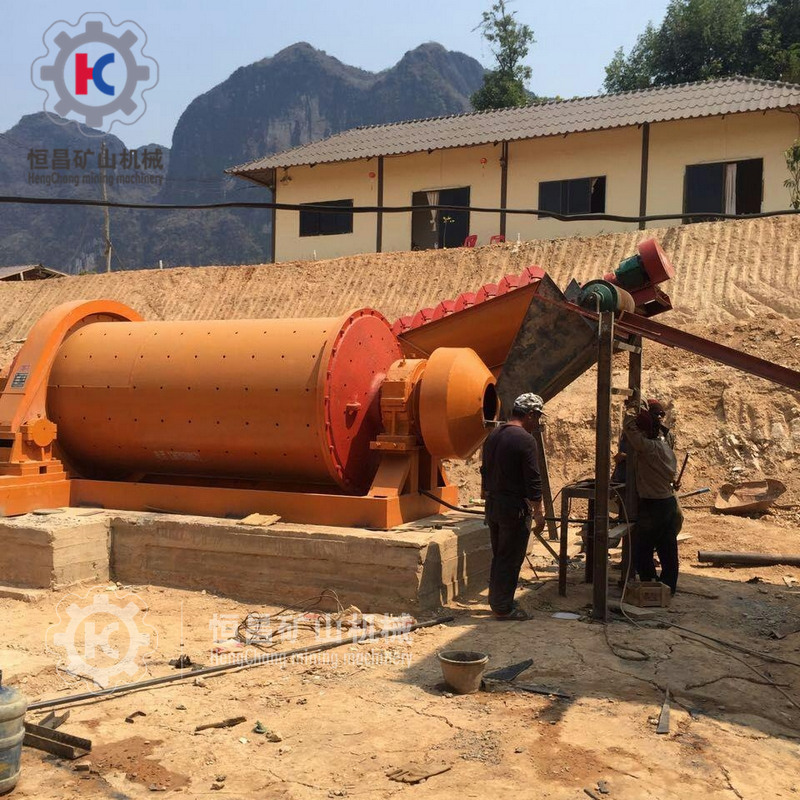
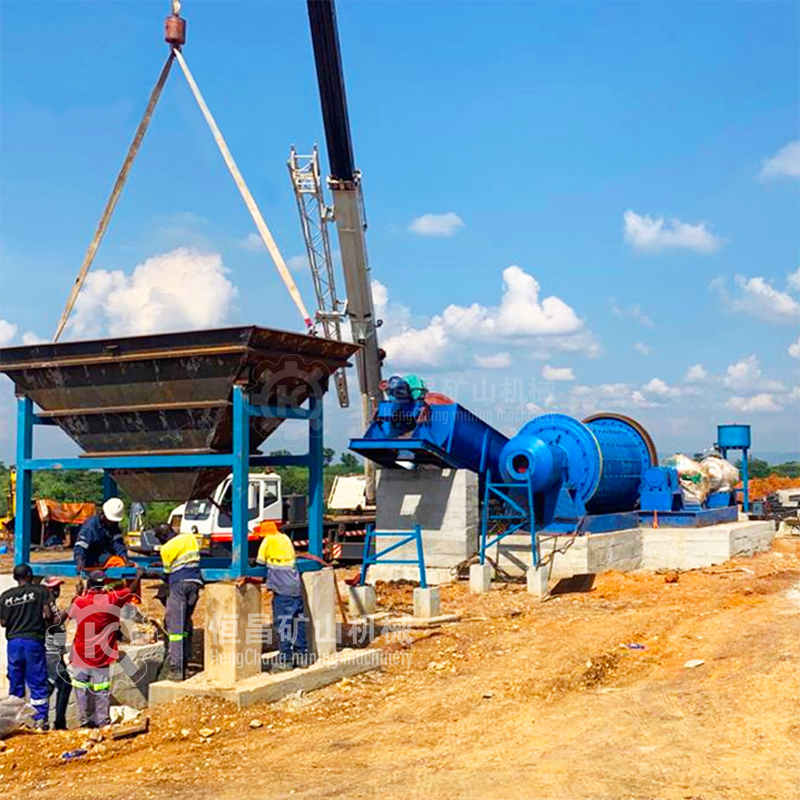
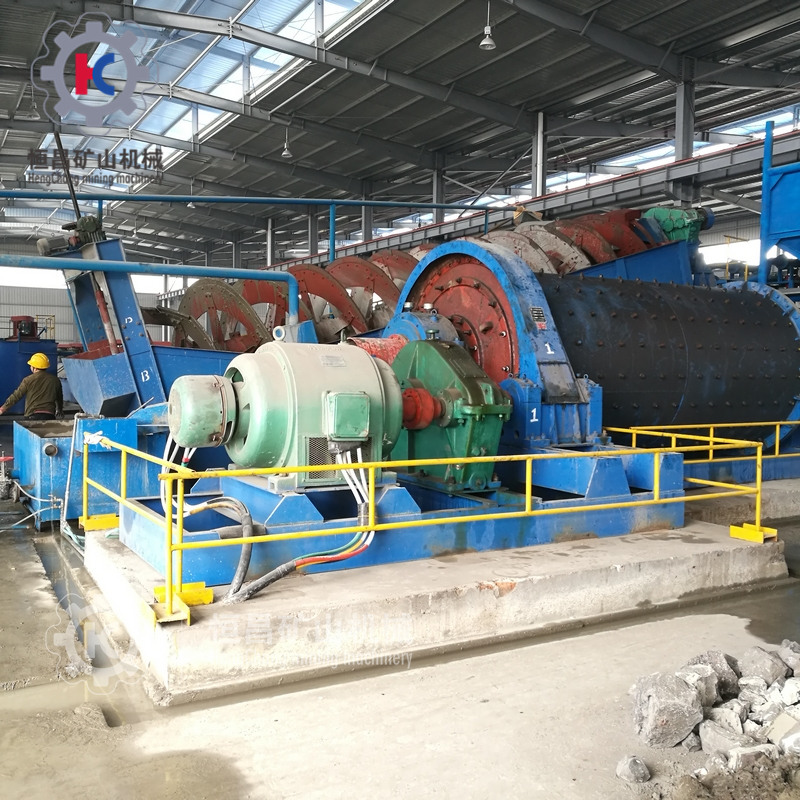
What It Is: After crushing, you need to grind your ore to a fine powder (usually 0.074 mm or finer). The ball mill does this using steel balls that tumble inside a rotating cylinder.
How It Works: Feed enters the cylinder. As it rotates, the balls cascade, crushing the ore through impact and attrition. The finer particles exit through a discharge grate.
Structure Highlights: Cylindrical shell with liners (rubber or steel), a central drive system, and a classification system (often a spiral classifier).
Best For: All types of iron ore after primary crushing. Works great for magnetite concentration.
Real-World Case: A plant in China's Anshan region uses a [Jiangxi Hengchang Mining Machinery] ball mill with a capacity of 150 tons per hour. They saw a 15% increase in liberation of fine iron particles, boosting recovery rates.
Pros & Cons: Pros: High grinding efficiency, uniform product size. Cons: High energy consumption, noisy.
Maintenance Tips: Check ball charge levels monthly. replace liners every 6-12 months. Lubricate bearings weekly.
Handling Capacity: 0.5-500 tons per hour. Match to your P80 target (usually 75-200 microns).
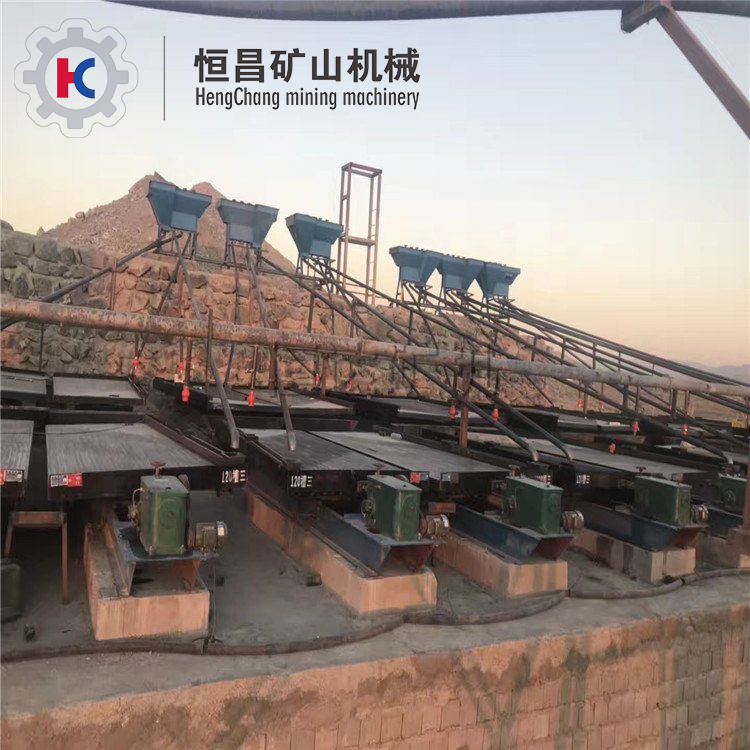
What It Is: This machine is a must-have for iron ore beneficiation. It uses magnetic force to pull out iron-rich particles from gangue (waste rock). In 2024, permanent magnetic separators dominate for efficiency.
How It Works: Slurry (ore mixed with water) flows through a rotating drum with a magnetic field. Magnetic particles stick to the drum and are scraped off; non-magnetic stuff continues to the tailings.
Structure Highlights: Stainless steel drum, high-energy rare earth magnets (neodymium), and adjustable magnetic field strength (typically 3,000-12,000 Gauss).
Best For: Magnetite ore (strong magnetic), but also works for hematite (with pre-treatment like roasting).
Real-World Case: At a plant in India's Goa region, a [Jiangxi Hengchang Mining Machinery] magnetic separator improved iron grade from 32% Fe to 65% Fe in a single pass. That's a game-changer for low-grade ore.
Pros & Cons: Pros: High recovery (95%+), low operating cost. Cons: Sensitive to feed size; too coarse ore can clog.
Maintenance Tips: Clean the drum surface daily to prevent accumulation. Check magnet strength yearly. Inspect scraper blades weekly.
Handling Capacity: 5-200 tons per hour (dry or wet). Match to your slurry density.
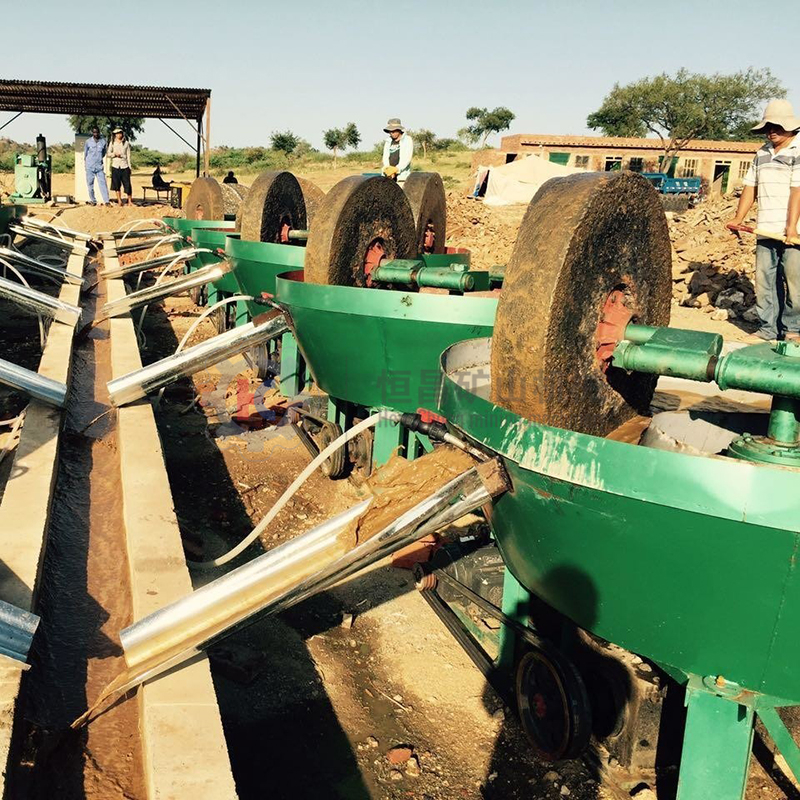
What It Is: This machine separates iron ore by size and density. It's often used before grinding to remove coarse waste or after grinding to return oversize material to the ball mill.
How It Works: A spiral rotates in a tilted tank. Fine particles overflow the weir; coarse particles settle and are mechanically conveyed upward.
Structure Highlights: Heavy-duty spiral shaft, replaceable wear shoes, and a robust gearbox.
Best For: All iron ore types, especially when you need precise particle size control (e.g., 0.15 mm cut point).
Real-World Case: A Mongolian iron plant paired a [Jiangxi Hengchang Mining Machinery] classifier with a ball mill and reduced energy consumption by 12% while improving product consistency.
Pros & Cons: Pros: Simple to operate, low power use. Cons: Low capacity per unit (needs multiple units for big tonnage).
Maintenance Tips: Lubricate the gearbox monthly. Check spiral blades for wear quarterly. Keep the overflow launder clear.
Handling Capacity: 1-100 tons per hour (depending on diameter, up to 3 meters).
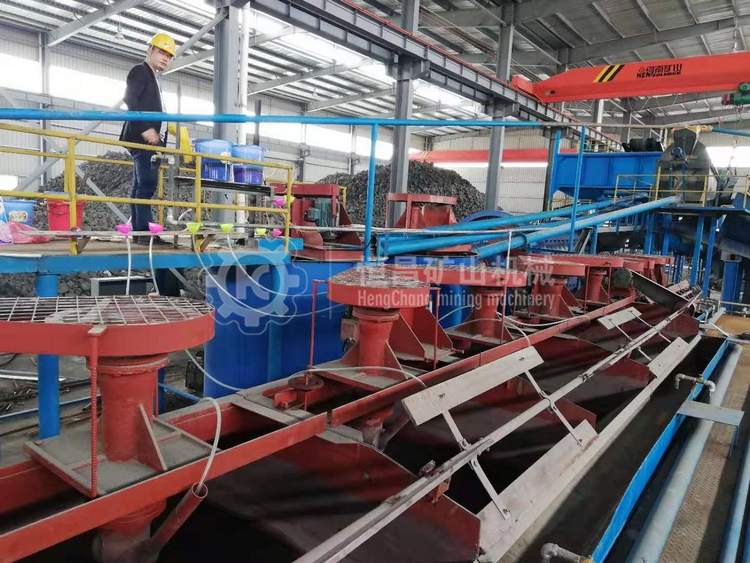
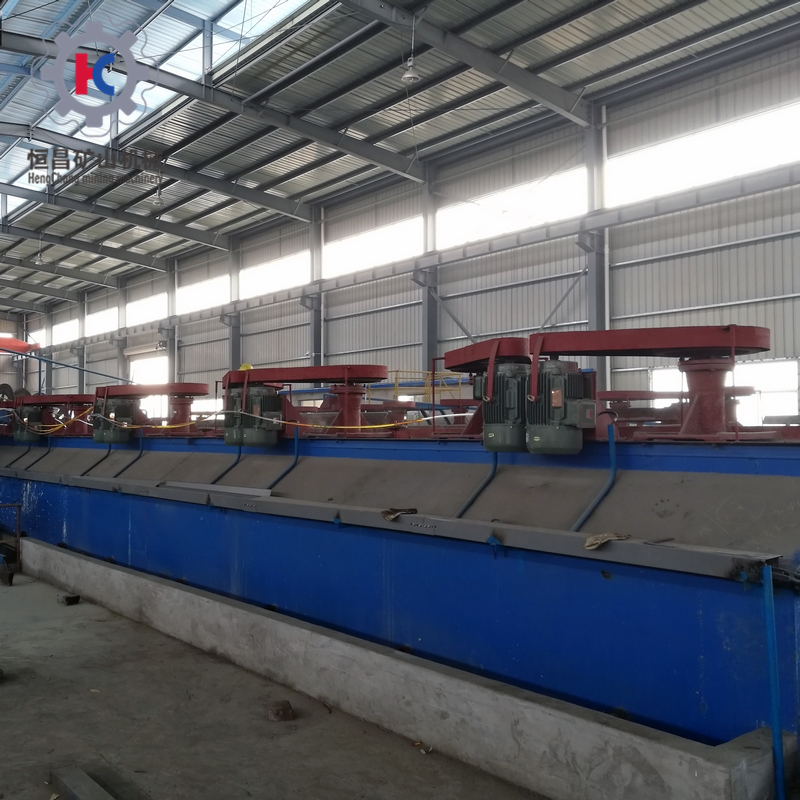
What It Is: When your iron ore has impurities like silica, phosphorus, or sulfur, flotation helps clean it up. Air bubbles attach to specific particles, lifting them to the surface for removal.
How It Works: The machine agitates the slurry with air. Chemical reagents (collectors, frothers) make targeted particles hydrophobic. They stick to bubbles and form a froth layer, which is scraped off.
Structure Highlights: Self-aerating impeller, baffle plates, and froth launder. Look for models with adjustable air flow.
Best For: Fine-grained hematite, ores with high silica content, or those needing selective separation.
Real-World Case: A plant in South Africa's Sishen mine tackled phosphorus (0.2% down to 0.01%) using a [Jiangxi Hengchang Mining Machinery] flotation system. It unlocked a new revenue stream from formerly waste-grade ore.
Pros & Cons: Pros: High selectivity for difficult ores. Cons: Higher cost per ton, requires chemical expertise.
Maintenance Tips: Clean impellers weekly. Check reagent feed lines for clogs daily. Inspect froth launder for tears monthly.
Handling Capacity: 1-300 cubic meters per cell. Multiple cells form a bank.
Don't just buy the biggest machine. Match your equipment to your ore's characteristics:
For high-grade magnetite: Jaw crusher → Ball mill → Magnetic separator. Simple and profitable.Capacity Cheat Sheet: A 100 TPH plant typically needs a jaw crusher (1 unit), ball mill (1-2 units), magnetic separator (2-4 units), and classifier (1-2 units). Scale up or down.
Look, I'm not just plugging a brand. I've seen their gear work in harsh conditions from the harsh cold of Siberia to the heat of Australian mines. They customize builds for your ore specs, offer 24/7 support, and their parts are interchangeable with major brands (meaning you're not stuck paying monopoly prices). Plus, they've been in the game for over 30 years.
In 2024, their R&D added IoT sensors to magnetic separators for real-time grade monitoring. That's next-level stuff.
Your iron ore plant in 2024 can be a profit center if you choose the right machines. Start with the jaw crusher for brute force, a ball mill for fine grinding, a magnetic separator for the magic, and maybe a classifier or flotation machine for polish. Don't forget 选矿设备选型 (equipment selection) based on tests—send your ore to a lab first. And always, always invest in quality. Cheap gear will cost you in downtime.
Got questions? drop them below. Let's make your plant a powerhouse!
Psst: Need a quote or advice? Contact Jiangxi Hengchang Mining Machinery—they'll walk you through the 选机设备工艺 (equipment process).




 English